All products referenced on this site are for research purposes only. Not intended for human consumption. Read full disclaimer
Immune Peptides
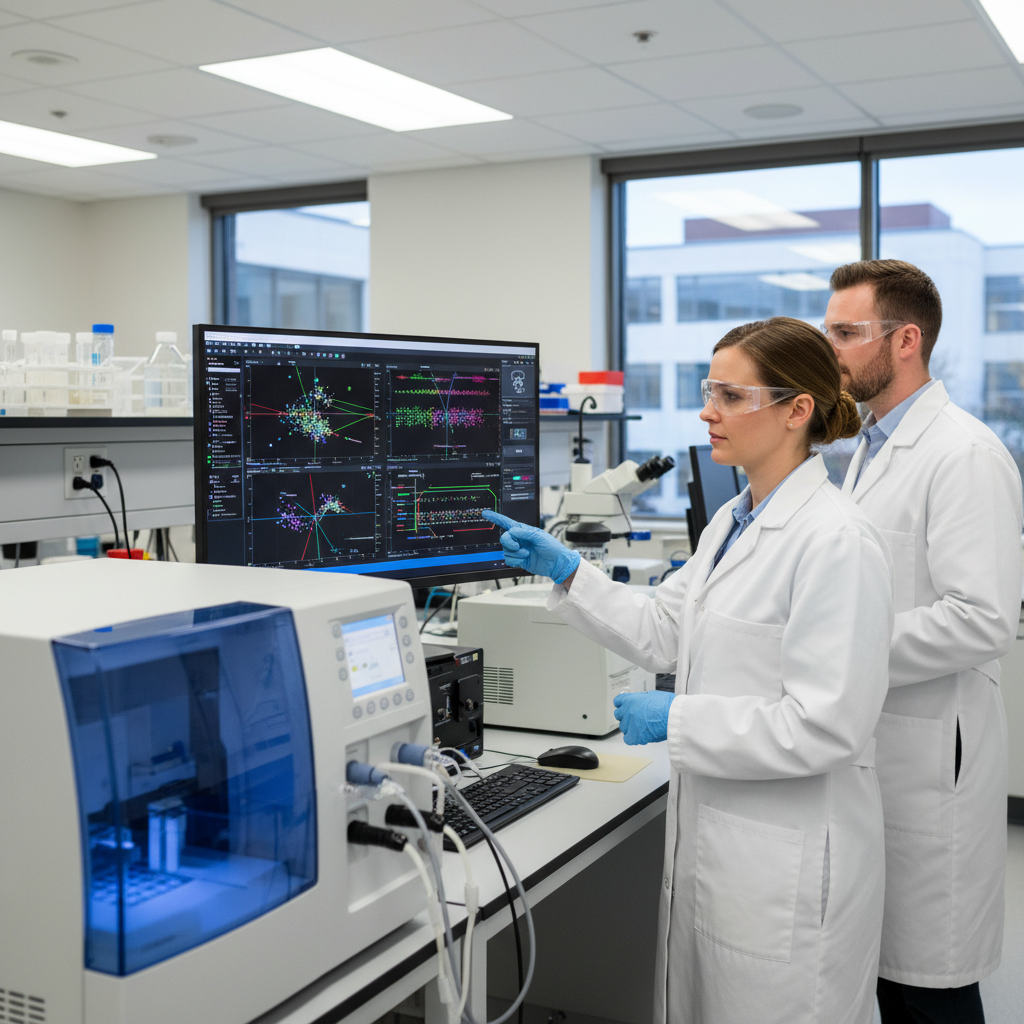
Research peptides studied for their roles in immune system modulation, thymic function, and immunoregulatory pathways in laboratory models.
Category Overview
Immune peptides represent a category of research compounds studied for their interactions with immune system components, including T-cell regulation, thymic function, cytokine modulation, and innate immune responses. Several peptides in this category are derived from or inspired by naturally occurring thymic peptides, which play fundamental roles in immune system development and regulation. Research in this area has a long history, with thymosin peptides being studied since the 1960s. The field has expanded to include synthetic peptides designed to modulate specific aspects of immune function, providing researchers with precise tools for investigating immune system biology. These compounds are of interest to researchers studying immunology, infectious disease, autoimmune conditions, and the relationship between immune function and aging.
Featured Research Peptides
Thymosin Alpha-1
Thymosin Alpha-1 is a peptide originally isolated from the thymus gland. It has been extensively studied for its immunomodulatory properties and is one of the most well-characterized immune peptides in the research literature.
Research Areas
- •T-cell maturation and differentiation
- •Dendritic cell activation studies
- •Toll-like receptor signaling
- •Immune response to viral challenges in animal models
- •Combination with other immunomodulatory agents
Thymulin
Thymulin is a nonapeptide hormone produced by the thymus gland that requires zinc for biological activity. It has been studied for its role in T-cell differentiation and thymic function.
Research Areas
- •T-cell differentiation pathway studies
- •Thymic function and age-related decline
- •Zinc-dependent biological activity mechanisms
- •Neuroimmune interaction research
- •Autoimmune model studies in animals
LL-37
LL-37 is the only human cathelicidin antimicrobial peptide. It has been studied for its broad-spectrum antimicrobial activity and immunomodulatory properties.
Research Areas
- •Antimicrobial activity spectrum studies
- •Innate immune response modulation
- •Wound healing and tissue defense
- •Biofilm disruption research
- •Immune cell chemotaxis
Research Highlights
- 1Thymosin Alpha-1 is approved as a pharmaceutical in over 35 countries for specific immune indications
- 2Research on thymic peptides spans over 60 years with thousands of published papers
- 3LL-37 research has expanded significantly due to interest in antimicrobial peptides
- 4Immune peptide research has seen increased interest in the context of immune resilience studies
Buying Considerations
- ✓Immune peptides should be handled with strict aseptic technique during research
- ✓Thymosin Alpha-1 is a well-characterized peptide with established purity standards
- ✓LL-37 requires careful handling due to its antimicrobial properties
- ✓Storage at -20C or below recommended for all immune peptides
Best Vendors for Immune Peptides
Other Categories
Related Articles
All products referenced are for research purposes only. Not intended for human consumption.